
.svt-wrap{max-width:860px;margin:0 auto;padding:6px 16px 70px;color:#374151;line-height:1.65;font-size:16.5px}
body.page-id-3000 h1.entry-title{font-size:clamp(30px,4.6vw,42px);font-weight:800;letter-spacing:-.02em;line-height:1.14;max-width:22ch;margin-left:auto;margin-right:auto}
.svt-wrap h2{font-size:clamp(23px,3.2vw,29px);font-weight:800;letter-spacing:-.015em;color:#0f172a;line-height:1.2;margin:44px 0 14px}
.svt-wrap h3{font-size:19px;font-weight:700;color:#0f172a;margin:0 0 8px}
.svt-wrap p{margin:0 0 14px;max-width:70ch}
.svt-sub{font-size:18px;color:#4b5563;max-width:62ch;margin:0 0 22px}
.svt-cta{display:inline-block;background:#0675CF;color:#fff!important;font-weight:700;font-size:16px;padding:14px 24px;border-radius:10px;text-decoration:none}
.svt-cta:hover{background:#0563b0}
.svt-cta2{display:inline-block;background:#fff;color:#0f172a!important;font-weight:700;font-size:16px;padding:13px 24px;border-radius:10px;border:1.5px solid #cbd5e1;text-decoration:none}
.svt-cta2:hover{border-color:#0675CF;color:#0675CF!important}
.svt-ctarow{display:flex;flex-wrap:wrap;gap:14px 18px;margin:4px 0 6px}
.svt-ctarow>div{display:flex;flex-direction:column;gap:6px}
.svt-micro{font-size:13px;color:#6b7280}
.svt-proof{font-size:14.5px;color:#4b5563;border-top:1px solid #e5e7eb;margin-top:22px;padding-top:14px}
.svt-logos{display:flex;flex-wrap:wrap;align-items:center;gap:14px 28px;margin:14px 0 0}
.svt-logos img{height:24px;width:auto;filter:grayscale(1);opacity:.7}
.svt-logos img:hover{filter:none;opacity:1}
.svt-foto{border-radius:14px;width:100%;height:auto;display:block;margin:20px 0 6px}
.svt-cap{font-size:13px;color:#6b7280;margin:0 0 16px}
.svt-blokfoto{border-radius:10px;width:100%;height:auto;display:block;margin:12px 0 14px}
.svt-kiezer{background:#EFF6FF;border-radius:16px;padding:24px 22px 20px;margin:30px 0 8px}
.svt-kiezer h2{margin:0 0 4px;font-size:22px}
.svt-kiezer p{margin:0 0 14px;color:#4b5563;font-size:15px}
.svt-grid{display:grid;grid-template-columns:repeat(auto-fit,minmax(230px,1fr));gap:10px}
.svt-symp{display:block;background:#fff;border:1px solid #d9e2e8;border-radius:12px;padding:14px 16px;font-size:15px;line-height:1.45;color:#0f172a!important;text-decoration:none;font-weight:500}
.svt-symp:hover{border-color:#0675CF;box-shadow:0 2px 10px rgba(6,117,207,.08)}
.svt-symp em{display:block;font-style:normal;color:#0675CF;font-weight:700;font-size:12.5px;margin-top:7px;text-transform:uppercase;letter-spacing:.04em}
.svt-steps{list-style:none;counter-reset:s;margin:6px 0 16px;padding:0;display:grid;gap:13px}
.svt-steps li{counter-increment:s;position:relative;padding-left:42px;max-width:70ch}
.svt-steps li:before{content:counter(s);position:absolute;left:0;top:0;width:29px;height:29px;border-radius:50%;background:#0675CF;color:#fff;font-weight:800;font-size:14px;display:flex;align-items:center;justify-content:center}
.svt-steps b{color:#0f172a}
.svt-kader{background:#EFF6FF;border-radius:14px;padding:20px 22px;margin:24px 0;display:grid;grid-template-columns:1fr auto;gap:8px 22px;align-items:center;max-width:760px}
.svt-kader p{margin:0 0 12px}
.svt-kader b{color:#0f172a}
.svt-kader img{width:170px;height:auto;border-radius:10px}
@media(max-width:640px){.svt-kader{grid-template-columns:1fr}.svt-kader img{width:140px}}
.svt-blok{border:1px solid #d9e2e8;border-radius:14px;padding:22px 24px 20px;margin:0 0 16px;scroll-margin-top:110px}
.svt-blok .svt-kick{font-size:13.5px;font-weight:700;color:#0675CF;text-transform:uppercase;letter-spacing:.04em;margin:0 0 6px}
.svt-meta{font-size:13.5px;color:#6b7280;margin:10px 0 4px}
.svt-prijs{font-size:15px;color:#0f172a;font-weight:700;margin:0 0 12px}
.svt-bloklinks{display:flex;flex-wrap:wrap;gap:10px 22px;font-size:15px;font-weight:600}
.svt-foto-smal{max-width:300px;border-radius:10px;height:auto;display:block;margin:12px 0 14px}
.svt-stap{display:grid;grid-template-columns:repeat(auto-fit,minmax(220px,1fr));gap:12px;margin:10px 0 6px}
.svt-stap div{background:#fff;border:1px solid #d9e2e8;border-radius:14px;padding:18px 18px 14px}
.svt-stap b{display:block;color:#0f172a;margin-bottom:6px;font-size:16px}
.svt-stap p{font-size:14.5px;margin:0;color:#4b5563}
.svt-tabelwrap{overflow-x:auto;margin:14px 0 6px}
.svt-tabel{border-collapse:collapse;width:100%;min-width:520px;font-size:15px}
.svt-tabel th{text-align:left;font-size:13px;text-transform:uppercase;letter-spacing:.04em;color:#6b7280;font-weight:700;padding:8px 12px;border-bottom:2px solid #0f172a}
.svt-tabel td{padding:10px 12px;border-bottom:1px solid #e5e7eb;vertical-align:top}
.svt-tabel td:nth-child(2),.svt-tabel td:nth-child(3){white-space:nowrap}
.svt-incl{font-size:14.5px;color:#4b5563;background:#f8fafc;border-radius:12px;padding:14px 18px;max-width:680px}
.svt-cijfers{display:grid;grid-template-columns:repeat(auto-fit,minmax(160px,1fr));gap:12px;margin:16px 0}
.svt-cijfers div{background:#EFF6FF;border-radius:12px;padding:16px 18px}
.svt-cijfers b{display:block;font-size:24px;color:#0f172a;letter-spacing:-.02em}
.svt-cijfers span{font-size:13.5px;color:#4b5563}
.svt-quote{border-left:3px solid #0675CF;padding:4px 0 4px 18px;margin:18px 0}
.svt-quote p{font-size:17px;font-weight:600;color:#0f172a;margin:0 0 4px}
.svt-quote span{font-size:13.5px;color:#6b7280}
.svt-cases{display:grid;grid-template-columns:repeat(auto-fit,minmax(230px,1fr));gap:12px;margin:14px 0 6px}
.svt-case{border:1px solid #d9e2e8;border-radius:14px;padding:16px 18px;font-size:14.5px;color:#4b5563}
.svt-case b{display:block;color:#0f172a;font-size:15px;margin-bottom:6px;line-height:1.4}
.svt-case em{display:block;font-style:normal;font-size:12.5px;color:#0675CF;font-weight:700;text-transform:uppercase;letter-spacing:.04em;margin-bottom:7px}
.svt-faq{border-bottom:1px solid #e5e7eb;padding:14px 0}
.svt-faq h3{font-size:17px;margin:0 0 6px}
.svt-faq p{font-size:15.5px;margin:0;color:#4b5563;max-width:75ch}
.svt-deuren{display:grid;grid-template-columns:repeat(auto-fit,minmax(220px,1fr));gap:12px;margin:14px 0}
.svt-deuren a{display:block;border:1px solid #d9e2e8;border-radius:14px;padding:18px;text-decoration:none;color:#0f172a!important}
.svt-deuren a:hover{border-color:#0675CF}
.svt-deuren b{display:block;color:#0675CF;margin-bottom:5px}
.svt-deuren span{font-size:14px;color:#4b5563}
.svt-mens{background:#0f172a;color:#e2e8f0;border-radius:16px;padding:26px 26px 22px;margin:34px 0 0;display:grid;grid-template-columns:auto 1fr;gap:20px;align-items:center}
.svt-mens img{width:96px;height:96px;border-radius:50%;object-fit:cover;object-position:top}
.svt-mens h2{color:#fff;margin:0 0 8px;font-size:23px}
.svt-mens p{color:#cbd5e1;max-width:60ch;margin:0 0 8px}
.svt-mens a{color:#7dd3fc!important;font-weight:700;text-decoration:none}
@media(max-width:560px){.svt-mens{grid-template-columns:1fr}}
.svt-stickybar{display:none}
@media(max-width:767px){
.svt-stickybar{position:fixed;bottom:0;left:0;right:0;display:flex;z-index:999;background:#fff;border-top:1px solid #d9e2e8;padding:10px 12px calc(10px + env(safe-area-inset-bottom));gap:10px}
.svt-stickybar a{flex:1;text-align:center;font-size:14.5px;padding:12px 8px}
.svt-wrap{padding-bottom:20px}
body.page-id-3000{padding-bottom:64px}
}
Your team is capable and motivated. And yet things grind: meetings without decisions, departments working past each other, irritations nobody says out loud. A team outing will not fix that. Insight into how you actually work together will, followed by focused training. This is how we do it, in-company anywhere in the Netherlands, in English or Dutch.
300+ professionals trained at organisations like Amazon, Heraeus and Teva. 96% of participants rate the workshop as positive, measured in several hundred of our own evaluation forms right after every session.





Where is it stuck in your team?
Click what sounds familiar. You will jump straight to the approach that fits.
“We have become a group of individuals, not a team.”Team building with substance
“Our international colleagues and we only half understand each other.”Cultural Dynamics
“The same friction keeps coming back, whatever we try.”Team coaching
“My team leads cannot get their people on board.”Leadership training
“Honestly, I am not sure where the problem sits.”Free working style map
What does good collaboration actually look like?
Good collaboration means team members combine their knowledge and skills towards a shared goal, dare to address each other directly, and talk differences out instead of avoiding them. In practice you recognise it by three things: decisions get made and carried out, information flows to whoever needs it, and nobody has to play politics to get things done.
Is there a gap between that picture and your daily reality? You are in good company: collaboration is the first thing to slip in almost every team under pressure.
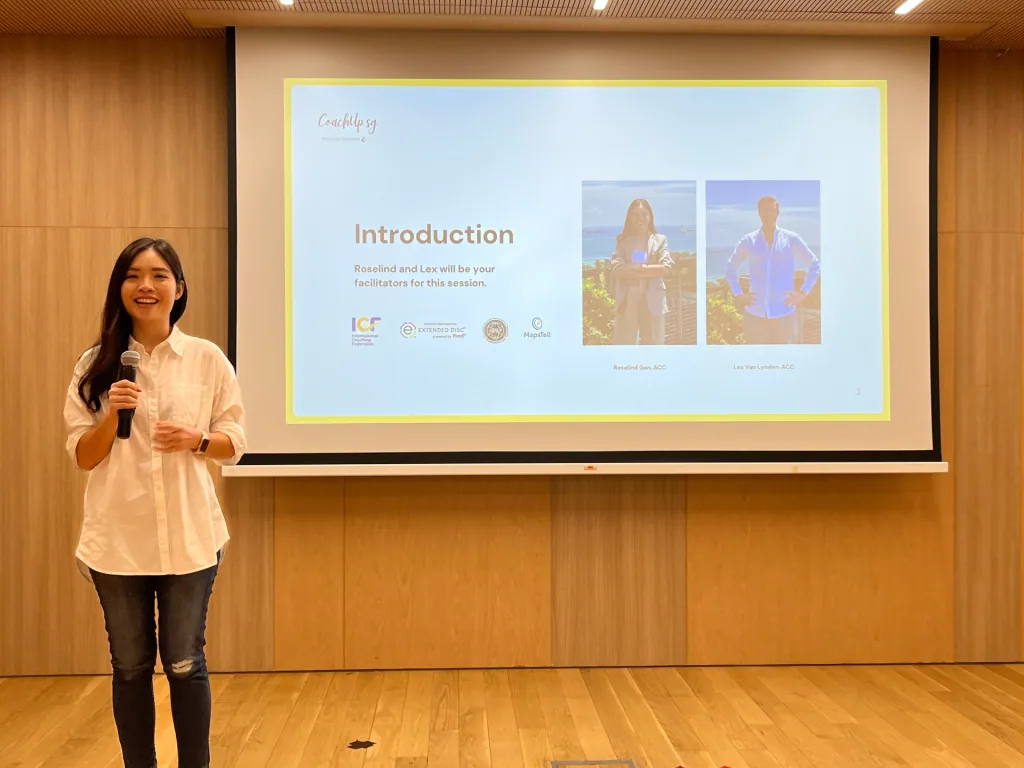
The start of a team session: first look at how the team works today, then have the conversation.
Why collaboration breaks down
In the teams we train it almost always comes down to one of these three causes, or a stack of them.
1. Behavioural differences nobody names. One person decides fast and says what they think, another wants to think first and reads the silences. Without a shared language for those differences they turn into character flaws: “he is blunt”, “she is slow”. Irritation builds and nobody says it out loud. In international teams this gets amplified: what is refreshingly direct in Rotterdam is plain rude in Kuala Lumpur.
2. Not enough psychological safety. Amy Edmondson’s research at Harvard shows teams perform better when people dare to speak up without being punished for it. Where that safety is missing, the real conversation happens at the coffee machine.
3. Unclear goals, roles and interests. If nobody knows exactly who decides what, or if departments each chase their own targets, rough collaboration is not a behaviour problem but a structure problem. Everyone does their own job well, and still the whole grinds to a halt.
That is why an escape room or off-site rarely fixes it. Fun for the atmosphere, but on Monday the pattern is back. Behaviour only changes once the team sees itself and gets language to discuss differences. Patrick Lencioni put trust at the base of his pyramid for a reason: without that foundation, the rest is cosmetics.
How do you improve collaboration in a team? Seven steps
- Measure first. Do not guess. Have the whole team anonymously indicate where it grinds, and only then decide which approach fits.
- Make goals and roles explicit. A team goal that everyone retells differently is not a goal. Agree who owns what, and what done means.
- Agree how you communicate. What belongs in the meeting, what in a message, what one on one? What response time is normal?
- Sort out decision-making. Who decides what, who gets consulted, and when is something actually decided? Half of all meeting frustration disappears here.
- Give feedback on behaviour, not character. “You interrupted me three times” is discussable. “You never listen” is an attack.
- Use differences as a division of labour. The fast decider and the careful thinker are stronger together than either alone, once the team knows who brings what and when.
- Schedule maintenance. Collaboration is not a project with an end date. Put a team session in the calendar every quarter, before it starts grinding again.
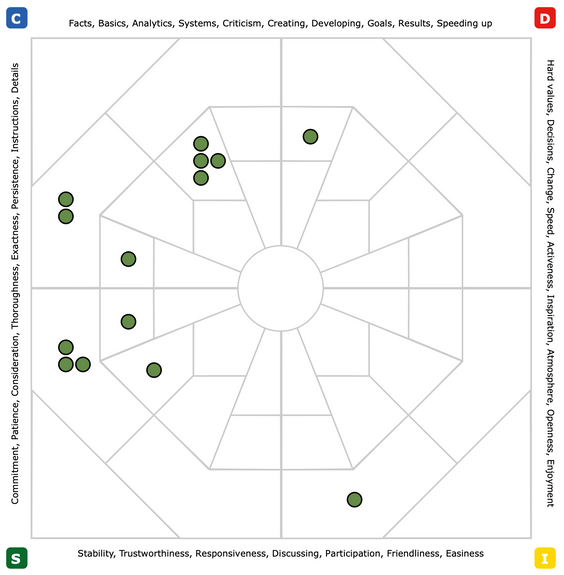
Start with step 1: the free working style map. Eight questions, two minutes, filled in anonymously by your whole team. You see on one map where your working styles clash: deciding fast versus aligning first, direct versus careful feedback, hard versus soft deadlines.
When tips are no longer enough
Have you recognised these signals for months? Then a list of good intentions will not cut it. Let us be honest about what it takes: team behaviour does not change in an afternoon. Count on a focused training session and then a few months of making the new behaviour stick. A one-off workshop without measurement gives a week of energy and then fades. That is exactly why we measure before and after, so you can see what it delivered.
The free working style map as a baseline. Where do styles clash, and is training even the right answer?
A focused team session on the actual cause, with your real work as the material. No role-play theatre.
Agreements the team makes itself, a follow-up session and a repeat measurement. That is how it lasts.
Pick the approach that fits what is going on
Six ways we help teams, from a free first step to a full programme. Everything in-company, at your location anywhere in the Netherlands, in English or Dutch.
Messages land wrong
DISC team training
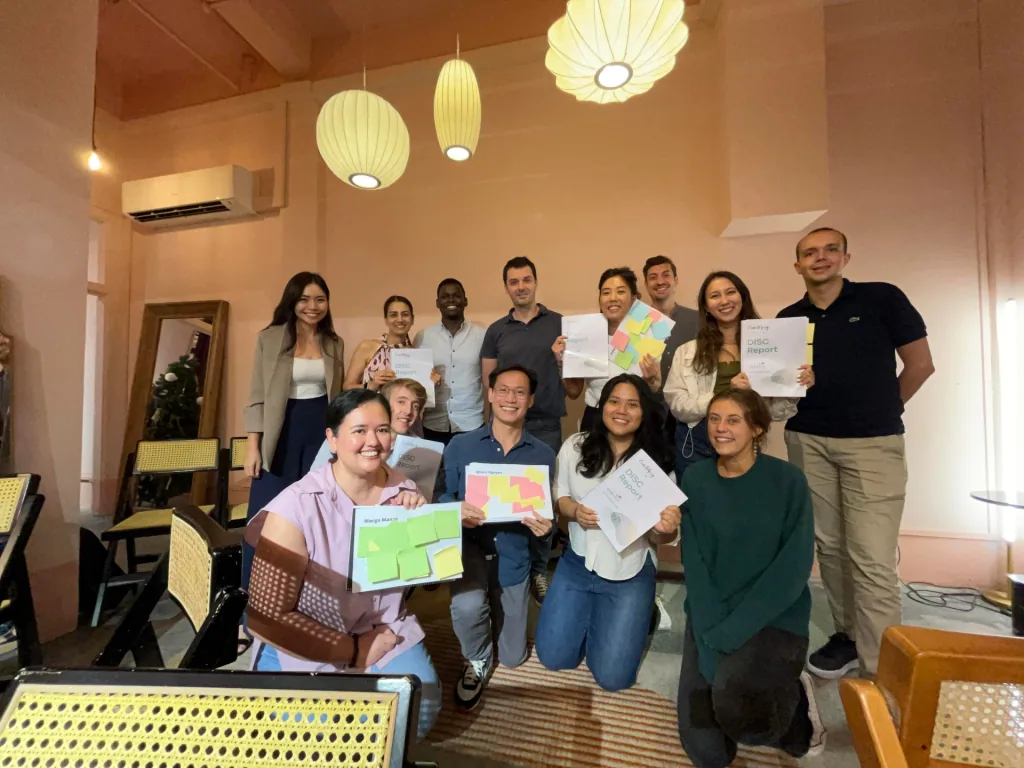
Every team member gets a personal DISC profile, the team gets a team map. In half a day or a full day the team learns its own behavioural styles and, more importantly, each other’s. Irritations get a name and become working agreements. For teams where communication is the source of the friction.
From 1,000 euros per team, personal assessment with report 40 euros per participant. A team of 10 trains for half a day at roughly 140 euros per person, everything included.
A group of individuals, not a team
Team building with substance
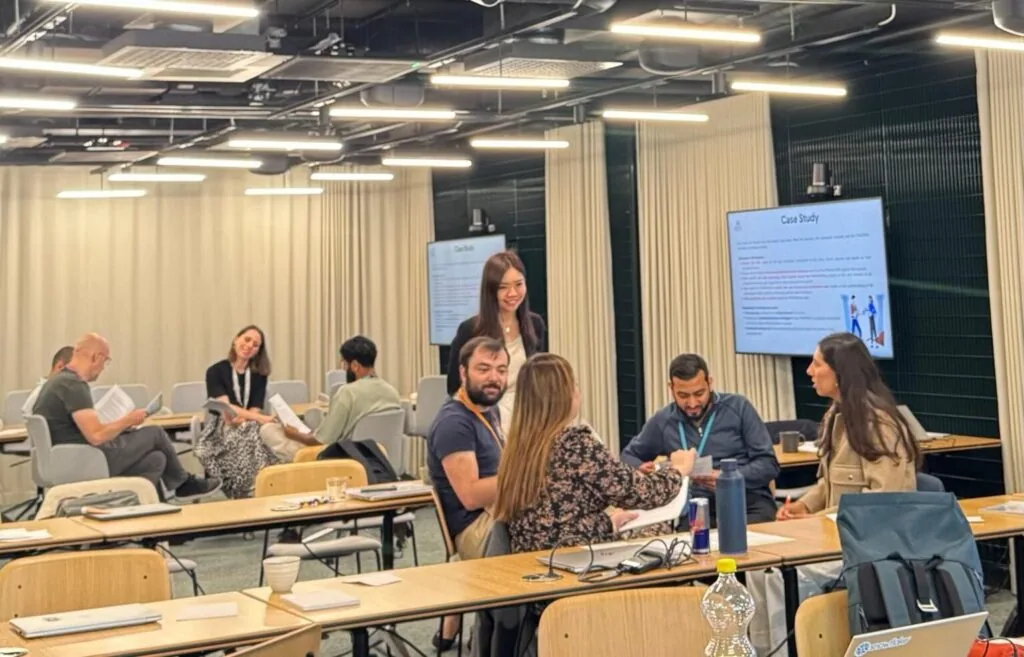
No escape room, but working formats with your real collaboration as the material. The team builds trust and connection and goes home with agreements that still hold on Monday. For teams that need to find each other again, after a merger, a reorganisation or simply too much remote work.
From 1,000 euros per team, no assessments needed.
International colleagues only half understand each other
Cultural Dynamics workshop
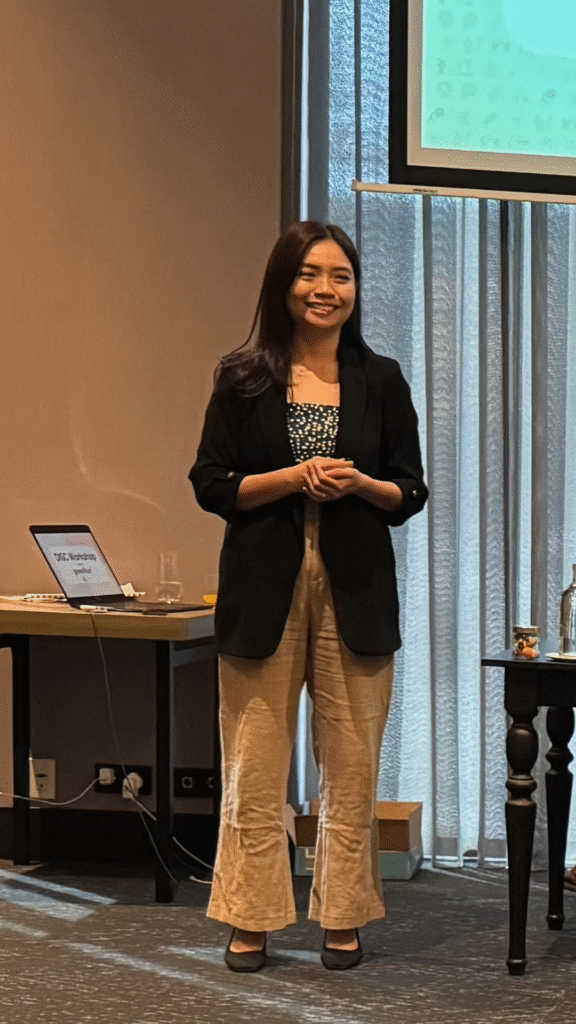
For international and multicultural teams in the Netherlands. Along the eight dimensions of the Culture Map, the team discovers where working styles clash: direct versus indirect feedback, hard versus soft deadlines, deciding in the group or outside it. This is our home turf: English-language sessions for international teams are our daily work, and we know first-hand what it means to build across cultures.
From 1,750 euros per team, no separate assessments needed.
The same friction keeps coming back
Team coaching
When a pattern sits deeper than one training day can reach, a team coach works with the team across several sessions on what is underneath: unspoken conflict, old grievances, unclear roles. Programmes of 3 to 6 half-days, with the working style map as the baseline and a repeat measurement at the end, so progress is visible.
Programme discount: 10% for three sessions, 15% from four. Calculate your price on the pricing page.
Team leads cannot get their people on board
Leadership training and tailor-made programmes
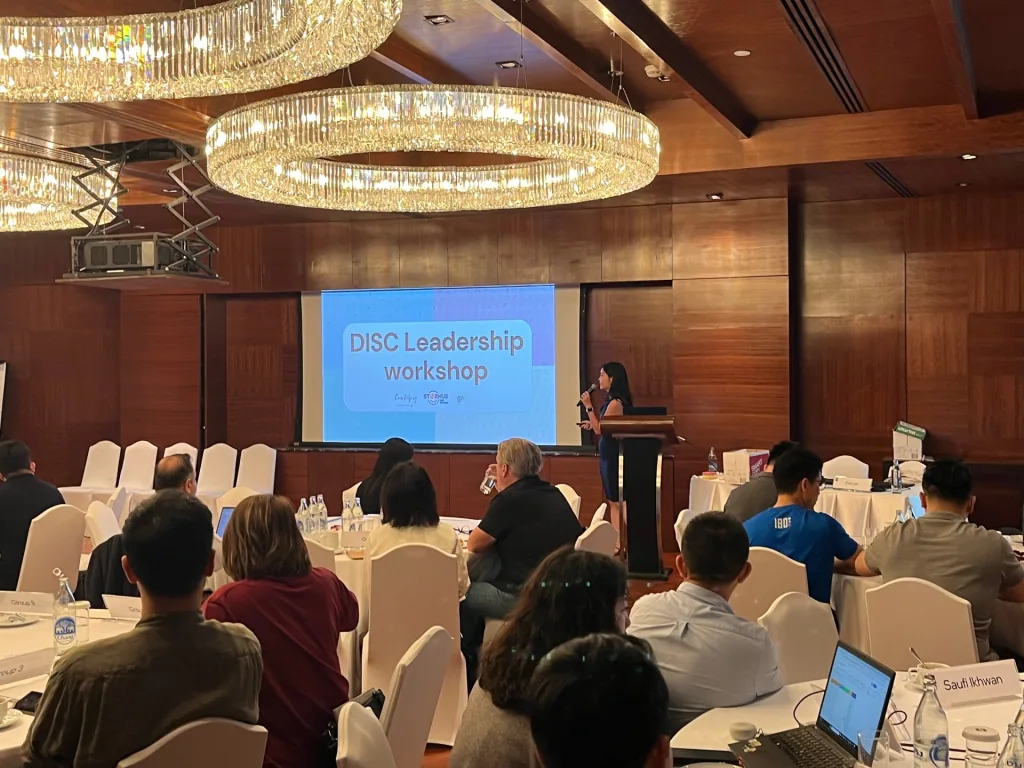
Sometimes the key is not in the team but with whoever leads it. We train team leads and management teams in situational leadership, feedback and having the conversations they currently avoid. For broader questions we build a tailor-made corporate training. Leadership programmes are always custom work: after an intro call you receive a proposal with three options within two working days.
What does improving collaboration cost?
We are open about our prices, which saves you a quote carousel. All amounts per team, not per person, excluding VAT.
| Approach | Half day | Full day |
|---|---|---|
| Working style map and team scan | Free | Free |
| DISC team training or team building with substance (up to 12 participants) | 1,000 euros | 1,700 euros |
| Same, 13 participants or more | 1,400 euros | 2,100 euros |
| Cultural Dynamics (up to 12 participants) | 1,750 euros | 2,750 euros |
| Team coaching programme, 3 to 6 half-days | Half-day rate with 10 to 15% programme discount | |
| Leadership and tailor-made | Proposal with three options within two working days | |
What other teams got out of it
More than 300 professionals came before you, at organisations like Amazon, Heraeus and Teva, but also in teams of ten at Dutch scale-ups. Out of respect for our clients we tell their stories without company names: just the industry, the team and what happened.
“Roselind was perfect!”
Participant, operations team at a Dutch cleantech scale-up, from the evaluation right after the workshop
Read all seven client stories, or see who will stand in front of your team: our certified facilitators (DISC, NLP and ICF). No rotating contractors.
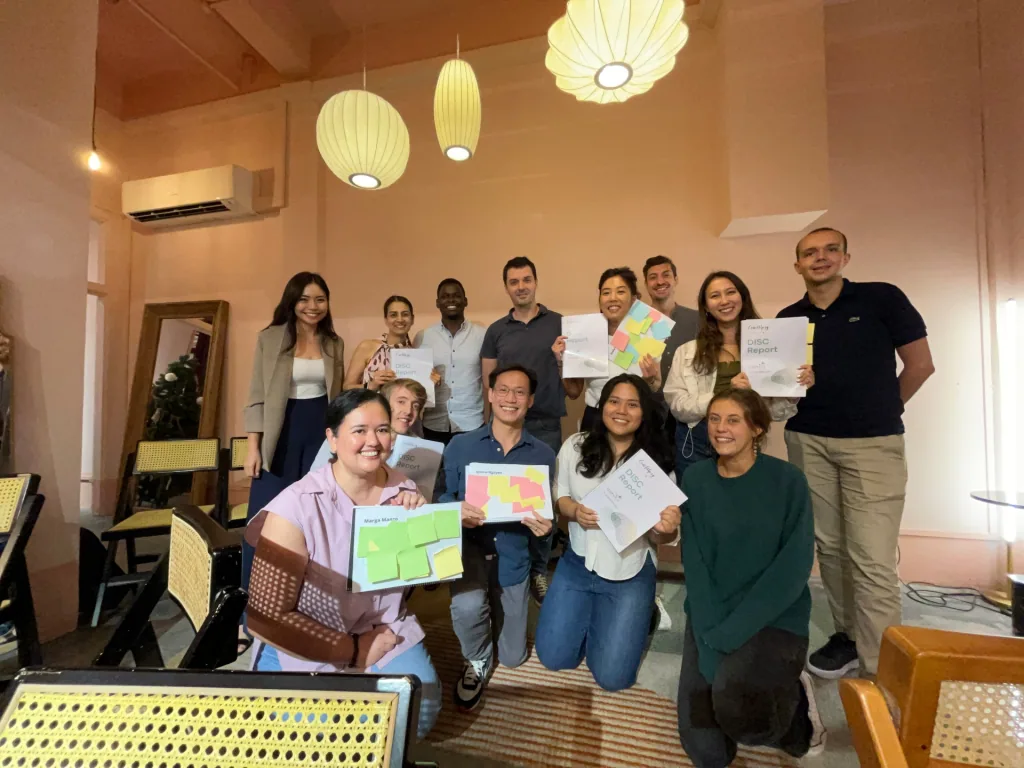
Participants after a team workshop, each with their own completed working style card.
Frequently asked questions about improving collaboration
How do you improve collaboration in a team?
You improve collaboration in a team in four steps: first measure anonymously where it grinds, make goals and roles explicit, give the team a shared language for behavioural differences, and capture agreements with a fixed maintenance moment. A one-off activity without measurement and follow-up rarely has lasting effect.
What does a team training cost?
A team training costs 1,000 euros per team for a half day and 1,700 euros for a full day, up to 12 participants and excluding VAT. Cultural Dynamics costs 1,750 or 2,750 euros. Nothing comes on top except optional assessments at 40 euros per person: travel within 75 km, materials and the team report are included. The pricing page lets you calculate it in a minute.
How quickly do you see results?
Right after a good team session there is recognition and a shared language, and you notice it in meetings that same week. Lasting behaviour change takes repetition: count on three to six months with a follow-up session and a repeat measurement. Anyone promising otherwise is selling you a nice day out.
What if part of the team is sceptical?
Completely normal, especially if earlier sessions delivered little. That is why we start with an anonymous measurement instead of a talking circle, and work with your real cases instead of role plays. Sceptics usually join in the moment their own frustration lands on the table, backed by data instead of opinions.
What is the difference between team building and team training?
Team building focuses on connection and trust, team training on skills and working agreements. An outing is neither: fun, but without lasting effect on collaboration. That is why our team building always has substance: your real collaboration is the material.
Do you work in English?
Yes, English-language sessions for international teams in the Netherlands are our specialisation, not an afterthought. The Cultural Dynamics workshop was built for exactly this audience, and all materials, assessments and reports are available in English.
Does the whole team need to join?
Preferably yes, including the manager. Collaboration is a team pattern: if part of the team is missing, the conversation is about the absentees instead of with them. We train groups of 8 to 15; larger teams are split in consultation.
What happens after I get in touch?
You hear from us within one working day. We schedule a half-hour intro call to understand what is going on, and you receive a concrete proposal afterwards. No calling circus and no obligations: you decide whether it clicks.
Three ways to start
2. Look before you leapRead seven client stories and see how other teams tackled this, by industry and team.
3. Book an intro callHalf an hour on what is going on in your team. Free, no obligation, reply within one working day.

Prefer direct contact?
Call or email Roselind Gan, trainer and team coach. No sales department: you speak directly with the person who will stand in front of your team.